What happened
A recent feature from the Astronomy Picture of the Day (APOD) highlights the Cepheus Flare, a fascinating region in our galaxy. This area is known for its glowing gas and dust, which are part of a larger structure in the Milky Way. The Cepheus Flare is significant for astronomers as it showcases the complex processes of star formation and the dynamics of interstellar matter.
Can you see it?
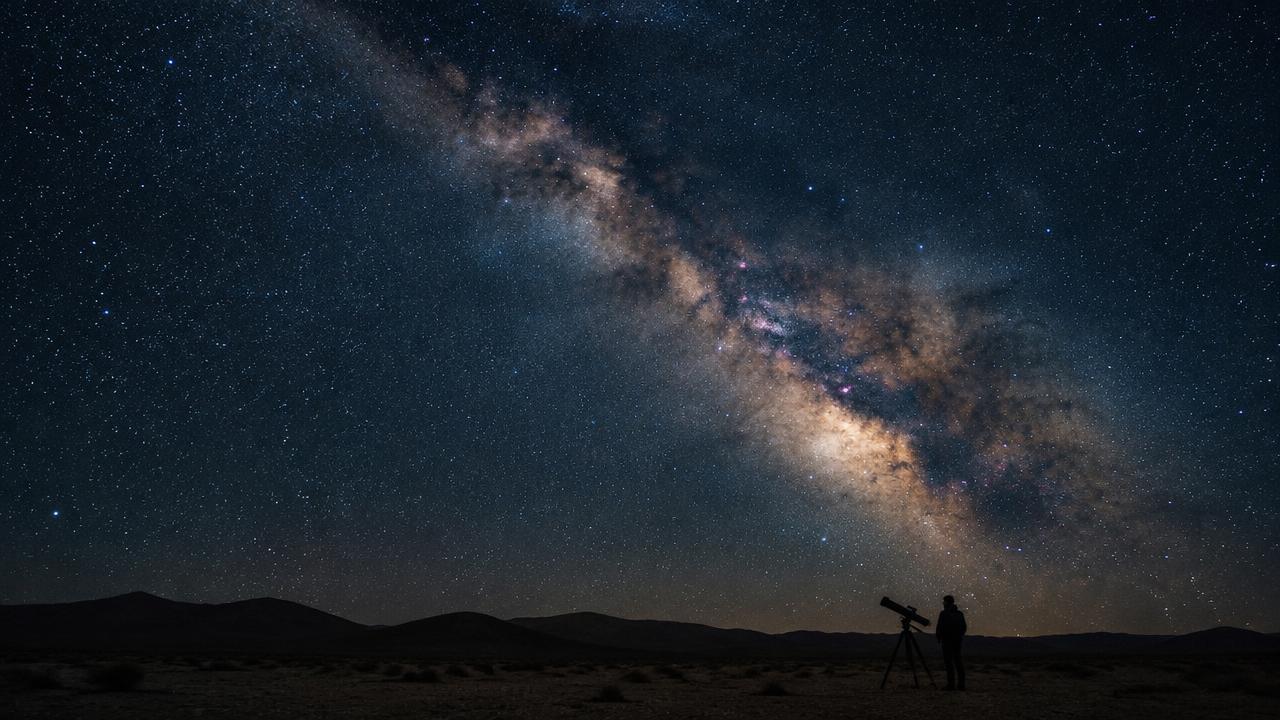
The Cepheus Flare itself is not visible to the naked eye, nor can it be easily observed with standard binoculars or small telescopes. However, it is located in the constellation of Cepheus, which is visible in the northern hemisphere. If you're interested in exploring the night sky, you can locate Cepheus and enjoy the view of its stars and other celestial objects. With a telescope, you may also glimpse nearby nebulae and star clusters that hint at the processes happening within the Cepheus Flare.
What it means for your nights out
Understanding regions like the Cepheus Flare enriches our appreciation of the night sky. While you may not see the Flare directly, it is a reminder of the vast processes occurring in our galaxy. When you find yourself under a clear night sky, take a moment to explore the constellation of Cepheus. Look for its distinctive shape, and think about the stars forming and interacting in the cosmic dance of creation happening just beyond our view. This knowledge can make your stargazing experience even more meaningful.
Originally reported by NASA. This summary was written by Dark Sky Guide.