What happened
Recent studies of Ceres, the largest object in the asteroid belt, have highlighted its intriguing surface features. Ceres is known for its unique composition, which includes significant amounts of water ice beneath its surface. The findings suggest that this ice can obscure large deposits of salt, which appear as bright spots on the planet's surface. These features offer insights into Ceres' geological history and its evolution over time, raising questions about the processes that shaped it.
Can you see it?
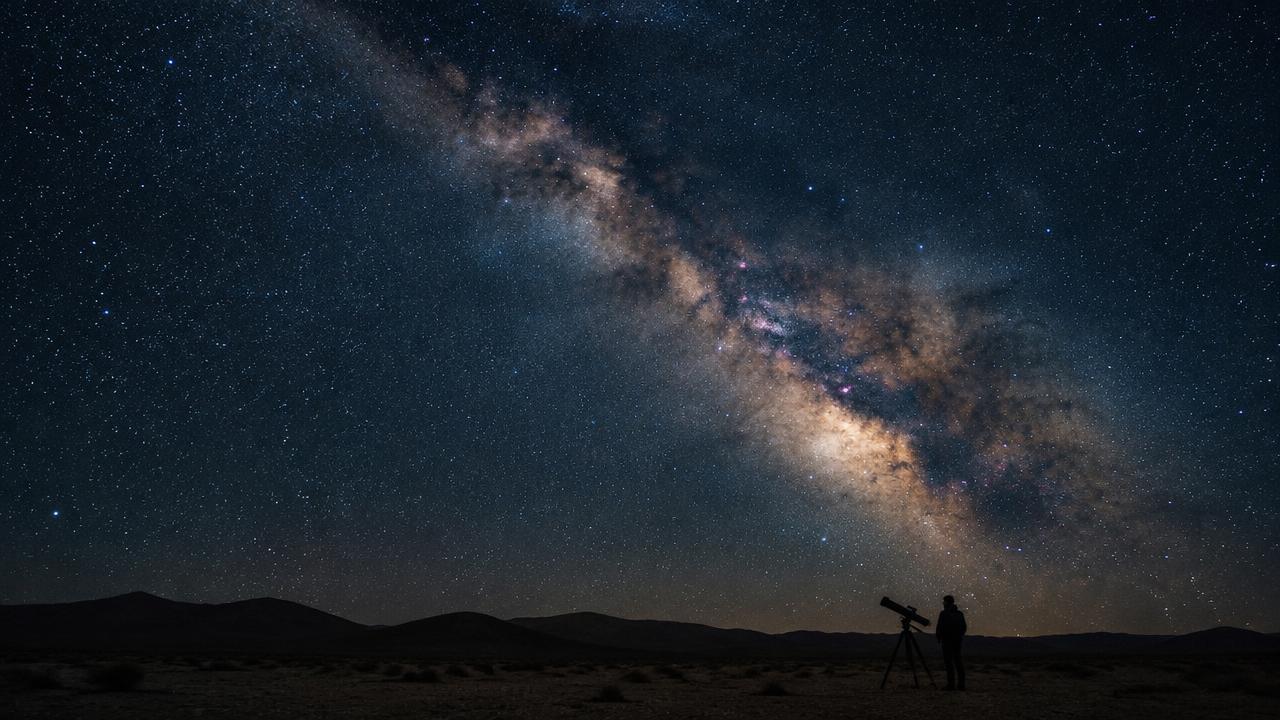
Ceres itself is not visible to the naked eye, but it can be observed with binoculars or a small telescope. Located in the asteroid belt between Mars and Jupiter, Ceres shines faintly in the night sky. If you are equipped with binoculars, you may be able to spot this dwarf planet as a dim point of light. Additionally, while observing Ceres, you can also look for other celestial objects in the vicinity, such as the planets Mars and Jupiter, which are often brighter and easier to identify.
What it means for your nights out
Understanding Ceres and its composition enriches our knowledge of the solar system and the evolution of planetary bodies. While you may not see Ceres clearly without optical aid, its study encourages a broader appreciation for the night sky and the many objects it holds. As you venture out on clear nights, take the time to explore the asteroid belt and its wonders. This knowledge can enhance your stargazing experience, reminding you of the dynamic processes occurring far beyond our planet.
Originally reported by Universe Today. This summary was written by Dark Sky Guide.