What happened
The Cat’s Head Nebula, a fascinating star-forming region within the Carina Nebula, has recently been observed by both the Hubble and James Webb Space Telescopes. These two observatories, equipped with distinct imaging capabilities, provide complementary insights into this ghostly structure located about 7,500 light-years from Earth. Hubble captures the nebula in visible light, revealing a dark, elongated dust pillar that hints at young stars in the process of formation. In contrast, Webb’s infrared observations expose a wealth of hidden stars and intricate details that are not visible in the optical spectrum.
Can you see it?
The Cat’s Head Nebula itself is not visible to the naked eye or even through standard binoculars or small telescopes due to its distance and the nature of the light it emits. However, the Carina Nebula, where it resides, is a stunning sight for stargazers. This nebula is best viewed from the Southern Hemisphere, particularly during the months of March to May. You can locate it near the bright star Canopus, which serves as a helpful reference point.
What it means for your nights out
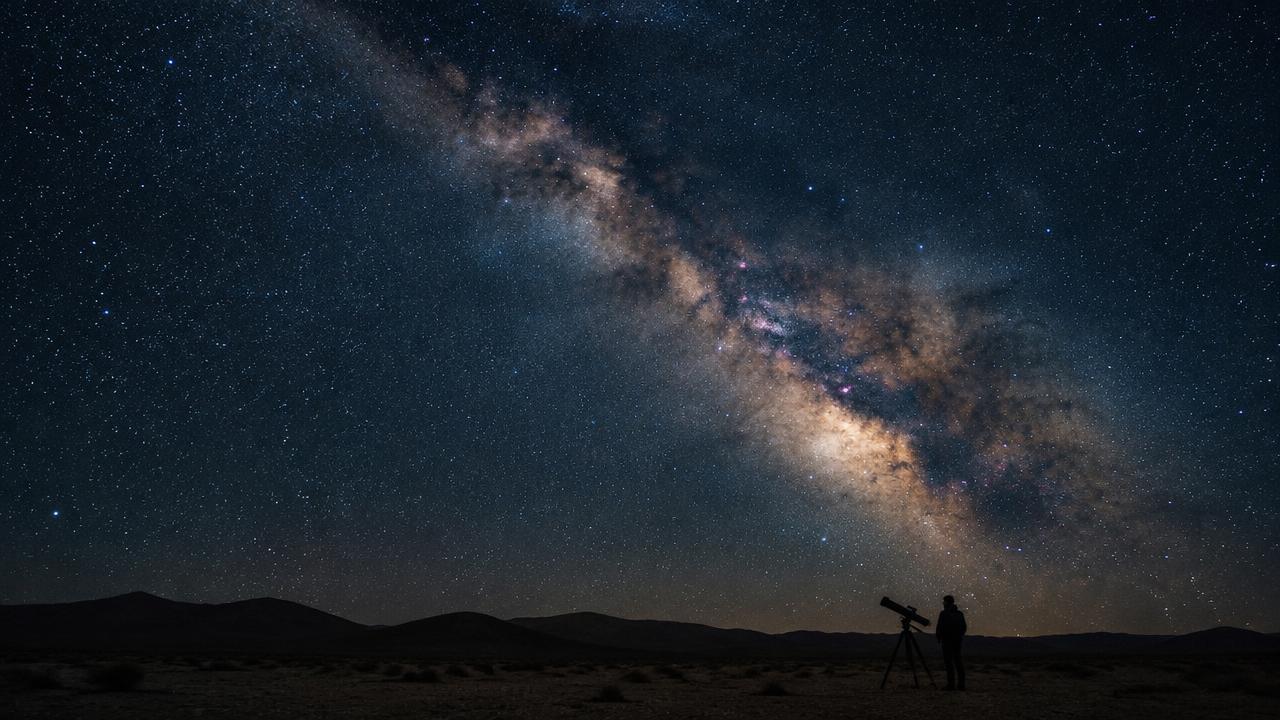
While you may not be able to see the Cat’s Head Nebula directly, understanding its significance enhances your appreciation of the night sky. The Carina Nebula is a prime location for observing stellar birth, and it features many bright stars and beautiful structures that are visible even to casual observers. On clear nights, if you find yourself under a dark sky, take a moment to look towards the southern horizon around Canopus. Not only will you witness stunning celestial formations, but you'll also be connecting with the ongoing cosmic dance of star formation that telescopes like Hubble and Webb are exploring.
Originally reported by ESA. This summary was written by Dark Sky Guide.