What happened
Astronomers have been delving into the complex process of star formation, an endeavor that began decades ago. The journey to understand the birth of stars has revealed much about the collapse of gas and dust clouds into what are known as prestellar cores. However, many questions remain, particularly regarding the influence of magnetic fields in these stellar nurseries. This ongoing research aims to uncover more about these hidden processes that lead to the birth of stars, which has been a long-standing mystery in astrophysics.
Can you see it?
While the intricate details of star formation are not visible to the naked eye, stargazers can observe regions of the sky where new stars are born. For example, the Orion Nebula is a well-known stellar nursery that is visible without any equipment, providing a glimpse into where stars are forming. Binoculars or a small telescope can enhance your view, allowing you to see the rich details of this fantastic region.
What it means for your nights out
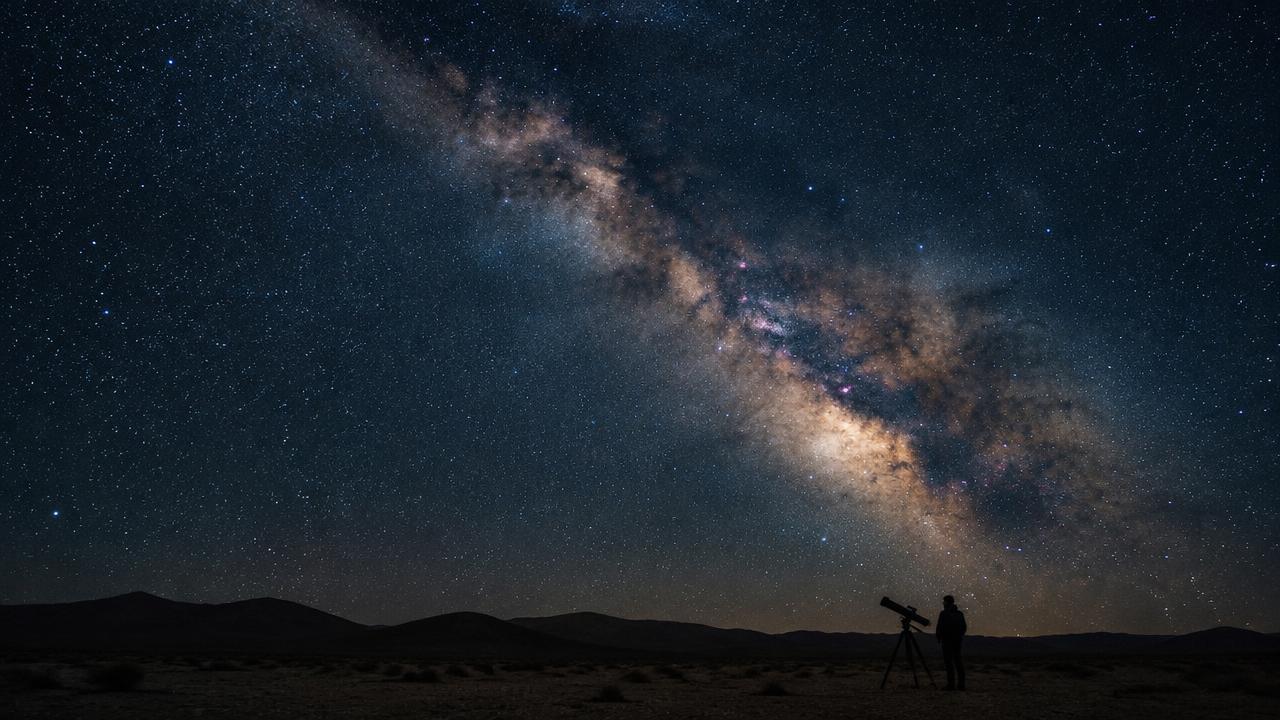
Understanding star formation deepens our appreciation of the night sky and the processes that create the stars we see. Observing areas like the Orion Nebula not only provides a beautiful view but also connects us to the cosmic events shaping our universe. As you plan your night sky outings, consider heading to locations where light pollution is minimal to fully enjoy the beauty of these stellar nurseries.
Originally reported by Universe Today. This summary was written by Dark Sky Guide.