What happened
In October 2026, the Great Nebula in Orion, also known as M42, will be featured prominently in the Astronomy Picture of the Day (APOD) series, showcasing its stunning beauty and significance in the cosmos. M42 is one of the brightest nebulae visible from Earth and serves as a stellar nursery, where new stars are being born from the surrounding gas and dust.
Can you see it?
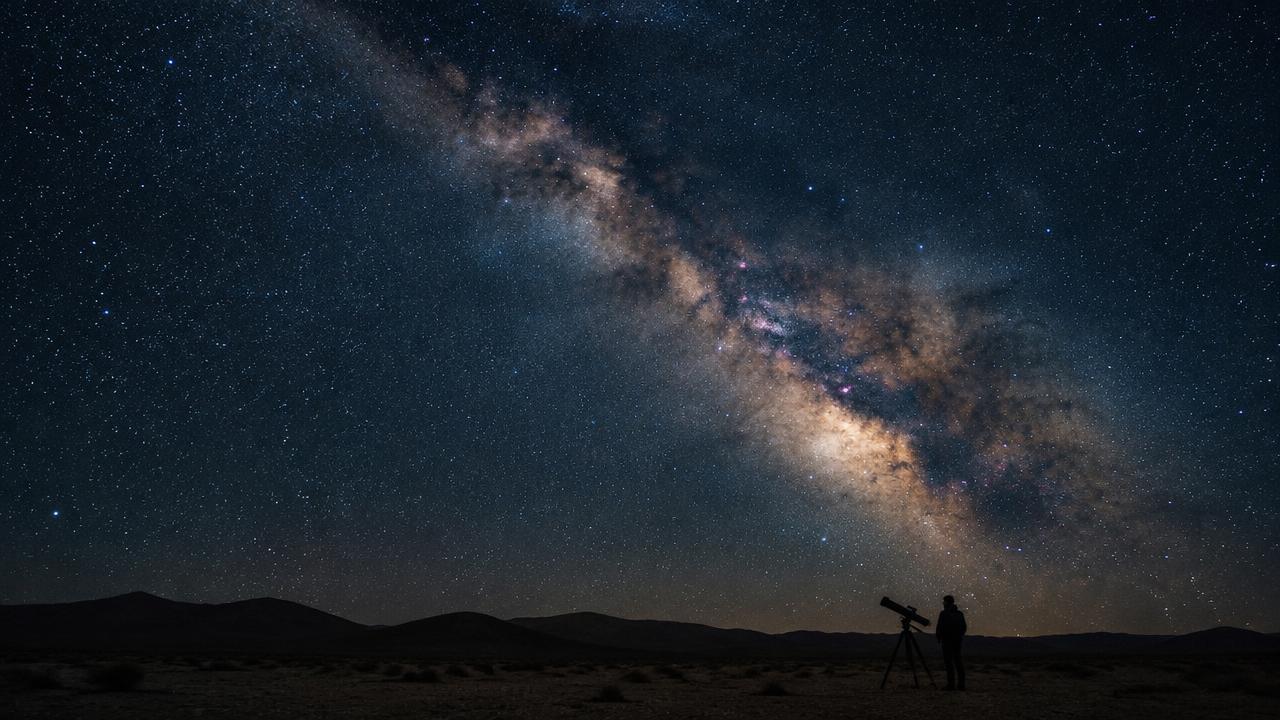
Yes, M42 can be seen with the naked eye under dark skies, particularly in the winter months when Orion is high in the sky. Look for Orion’s Belt, which consists of three bright stars in a straight line. The nebula is located just below these stars, appearing as a fuzzy patch. For a better view and to appreciate its intricate details, binoculars or a small telescope will enhance your experience, revealing its vibrant colors and structure.
What it means for your nights out
The visibility of M42 offers a fantastic opportunity for stargazers and night travelers to witness the wonders of star formation. As you explore the night sky, keep in mind that this nebula not only captivates with its beauty but also represents the active processes of star birth. Plan your outings to coincide with the colder months, when Orion is most visible, and take the time to search for M42. Whether you’re a seasoned observer or a casual stargazer, the Great Nebula in Orion is a must-see destination in the cosmos.
Originally reported by NASA. This summary was written by Dark Sky Guide.