What happened
Recent research using simulations has provided new insights into the elusive nature of dark matter, a significant component of our universe. This research aims to better understand how dark matter influences the structure and evolution of galaxies. Simulations help scientists visualize and analyze the complex interactions between dark matter and visible matter, shedding light on phenomena that are otherwise difficult to observe directly.
Can you see it?
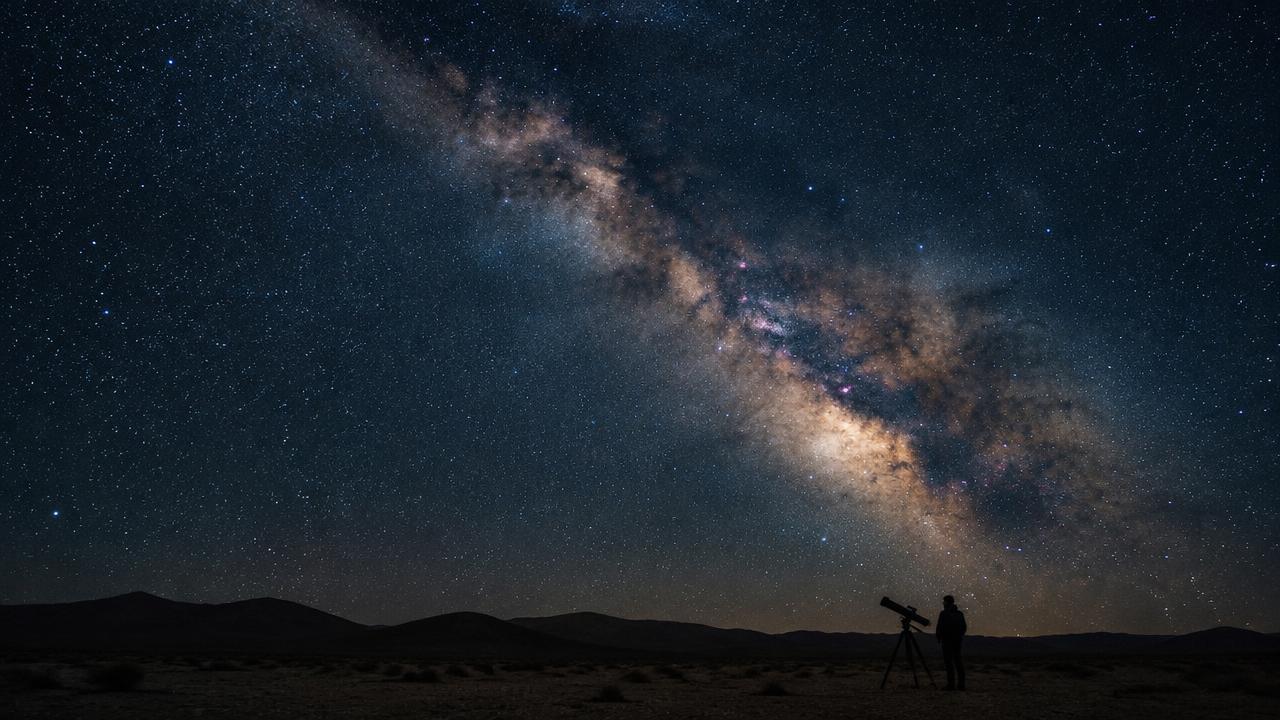
While dark matter itself is not visible to the naked eye or through typical observational tools like binoculars or telescopes, its effects can be seen in the motion of galaxies and galaxy clusters. As you explore the night sky, you can observe galaxies that are influenced by dark matter. For instance, the Andromeda Galaxy and the Milky Way are prime examples where dark matter plays a key role in their gravitational interactions. Observing these galaxies can give you a glimpse into the unseen forces at work in the universe.
What it means for your nights out
Understanding dark matter helps us grasp the larger picture of our universe's structure and formation. For night sky enthusiasts, this research enriches our appreciation of the cosmos. When you gaze at the stars and galaxies, remember that much of what you see is shaped by dark matter. This knowledge can enhance your stargazing experience, reminding you that the universe is filled with mysteries waiting to be explored.
Originally reported by NASA. This summary was written by Dark Sky Guide.