What happened
In a remarkable achievement, an international team of researchers has detected a rare form of methanol, specifically a type of wood alcohol, in space for the very first time. This discovery was made as part of the ALMA COMPASS Large program, which utilizes the Atacama Large Millimeter/submillimeter Array (ALMA) in Chile. The presence of this unusual methanol variant adds to our understanding of the complex chemistry occurring in the universe and hints at the diverse organic compounds that might exist in the cosmos.
Can you see it?
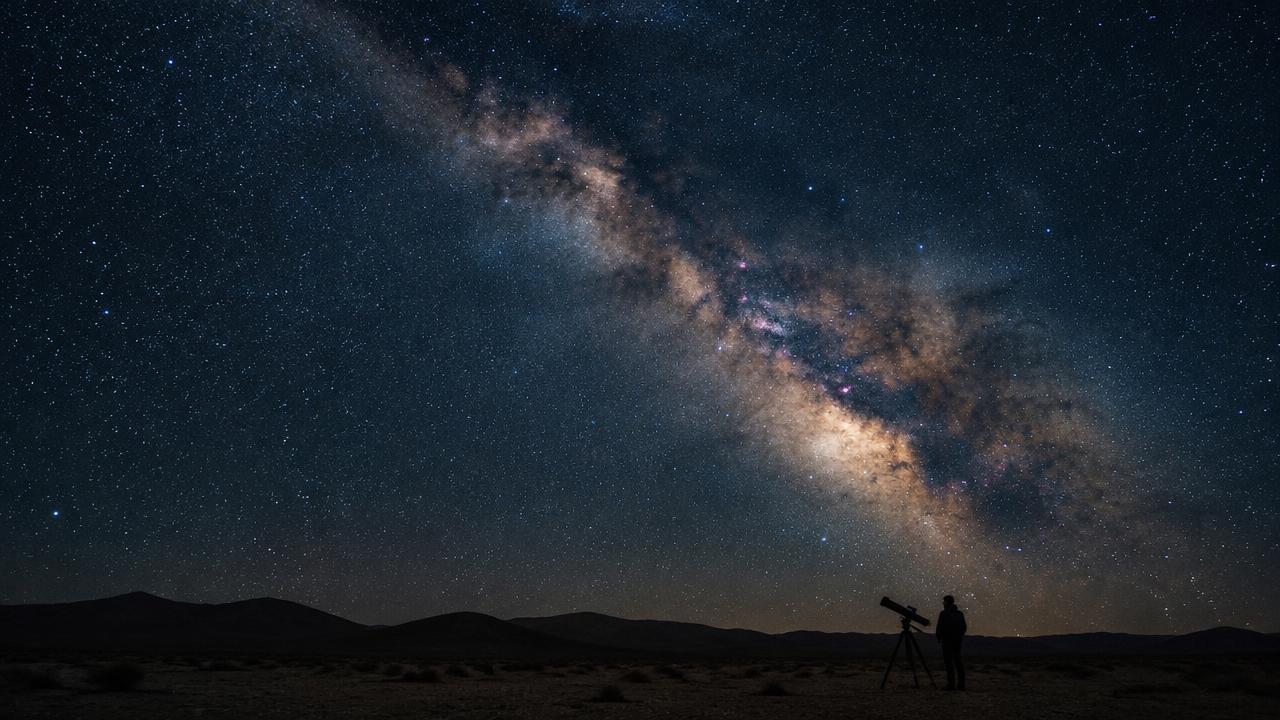
While this discovery of methanol itself cannot be seen with the naked eye, it contributes to the broader cosmic scenery. If you're out stargazing, look towards the direction of the Milky Way, where stars are forming and where similar organic molecules might be present. You can spot the bright band of the Milky Way on clear nights, which is a sign of the ongoing stellar and molecular processes in our galaxy.
What it means for your nights out
This discovery underscores the intriguing chemistry of space, suggesting that our universe might be richer in organic compounds than previously thought. For stargazers, this is an opportunity to reflect on the processes that create the stars and planets we observe. As you gaze up at the night sky, consider the dynamic and complex interactions happening in the regions where stars are born. Each twinkling star may be surrounded by the building blocks of life, waiting to be explored further by future generations.
Originally reported by Universe Today. This summary was written by Dark Sky Guide.