What happened
NASA's Hubble Space Telescope has captured a stunning image of the spiral galaxy NGC 1827, which is positioned edge-on from our perspective. Located about 37 million light-years away in the constellation Columba, this intermediate spiral galaxy presents a unique view of its structure and features, contributing to our understanding of galaxy formation and evolution.
Can you see it?
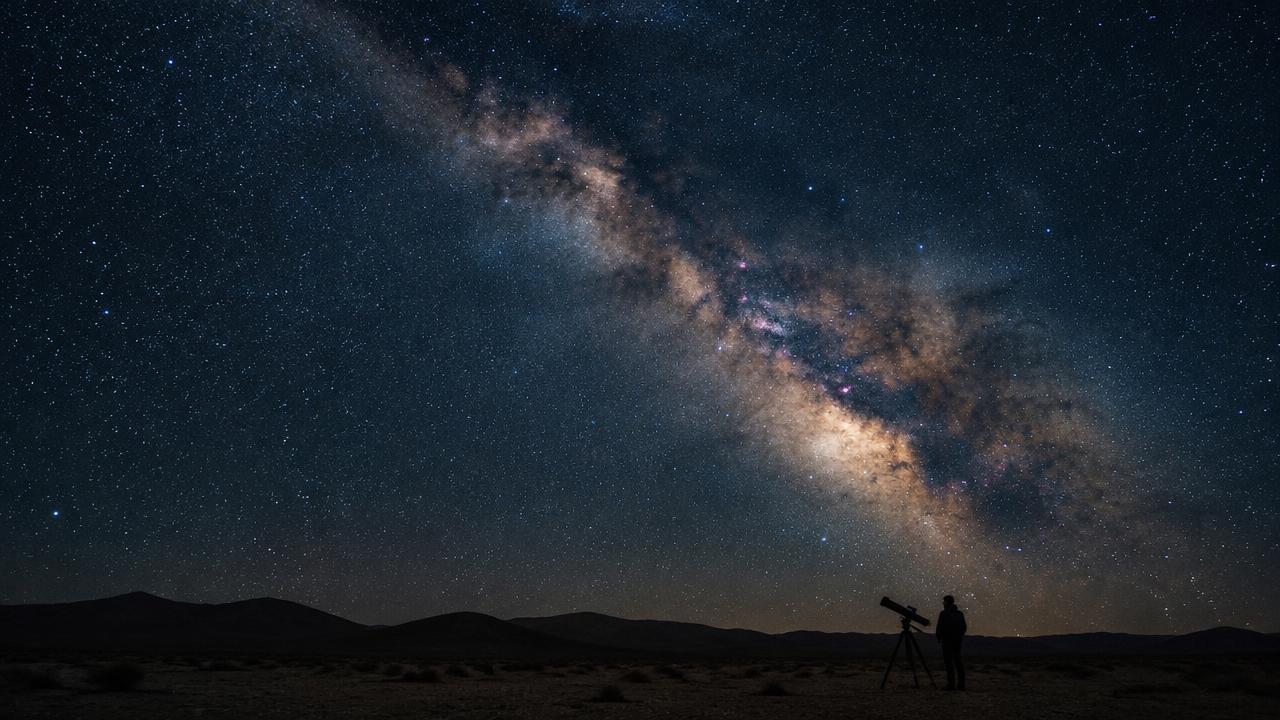
While NGC 1827 itself is not visible to the naked eye, stargazers can locate the constellation Columba in the night sky. Columba is situated in the southern hemisphere and is best viewed during the summer months. While you're gazing at Columba, you might also want to look for nearby constellations, such as Canis Major and Lepus, which can enhance your stargazing experience. Binoculars or a small telescope will help you explore these regions in more detail, although NGC 1827 will remain elusive without more advanced equipment.
What it means for your nights out
The observation of NGC 1827 serves as a reminder of the vastness of our universe and the many galaxies that exist beyond our own. For casual stargazers, this is an opportunity to appreciate the beauty of the night sky and the stories it holds. Consider planning a night out under the stars, perhaps with a guide to the constellations, and take a moment to reflect on the galaxies far away, like NGC 1827, that are constantly evolving in the universe.
Originally reported by NASA. This summary was written by Dark Sky Guide.