What happened
Astronomers using NASA’s Chandra X-ray Observatory have made significant progress in understanding a striking formation of radio waves known as the "Treble Clef." This nickname comes from its shape, which closely resembles the musical symbol. The research indicates that this unique structure is likely the result of an outburst from a supermassive black hole followed by a collision between two galaxy clusters. This phenomenon highlights the dynamic and often violent interactions that occur in the cosmos.
Can you see it?
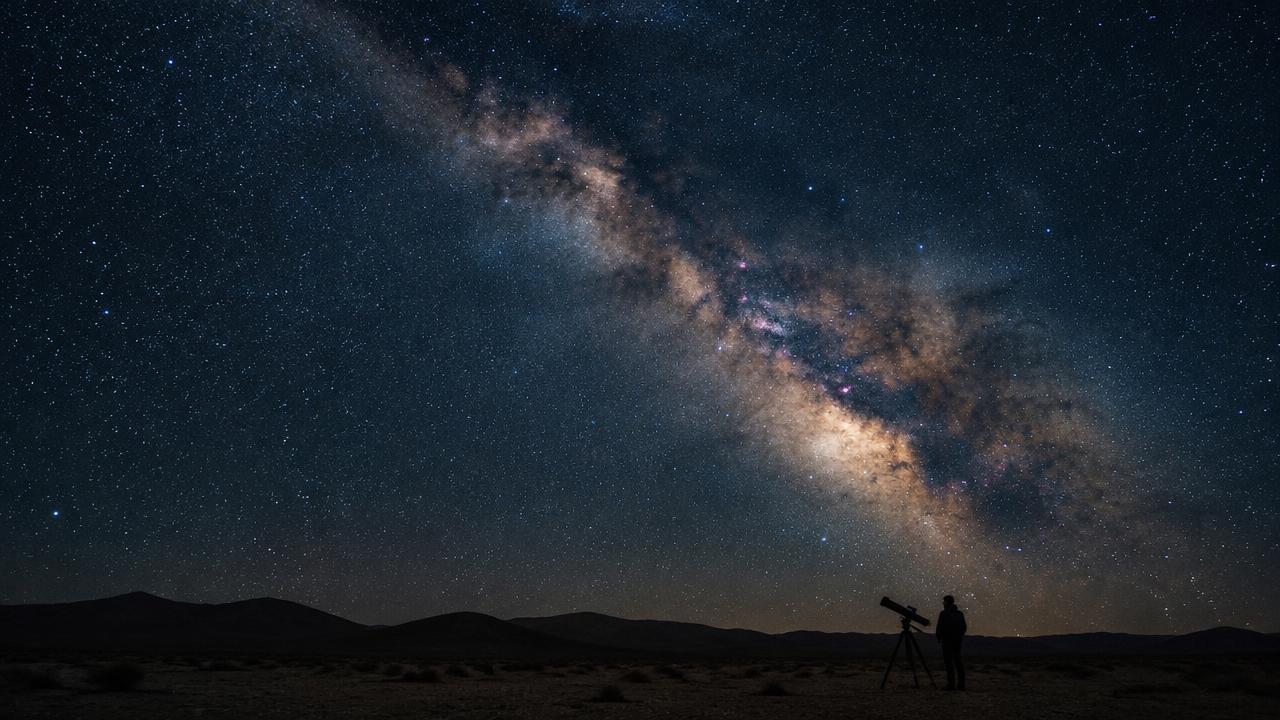
While the Treble Clef formation itself is not visible to the naked eye or through typical binoculars and telescopes, it is located in the direction of the constellation Virgo. Stargazers can explore this area of the night sky to observe other celestial objects, such as the nearby Virgo cluster of galaxies, which is rich in fascinating features. With the right equipment, you might catch glimpses of some of these galaxies, offering a taste of the cosmic wonders that exist in the same region.
What it means for your nights out
The study of the Treble Clef not only deepens our understanding of galaxy formation and the role of supermassive black holes but also reminds us of the vastness and complexity of the universe. While you may not see the Treble Clef directly, exploring the Virgo constellation can enhance your night-sky experience. Bring a telescope or even a good pair of binoculars to enjoy the beauty of the galaxies in this rich region, and reflect on the powerful forces at work in the universe.
Originally reported by NASA. This summary was written by Dark Sky Guide.