What happened
A new study has brought attention to brown dwarfs, intriguing celestial objects that lie between planets and stars. These failed stars are too massive to be classified as typical gas giants but lack the necessary conditions to ignite nuclear fusion and become true stars. Researchers, led by Zafar Rustamkulov from Caltech and NASA’s Jet Propulsion Laboratory, have analyzed these objects to better understand their atmospheric characteristics, which have previously been poorly modeled. This research highlights the dynamic nature of brown dwarfs, which change significantly over time by cooling, shrinking, and spinning more rapidly as they age.
Can you see it?
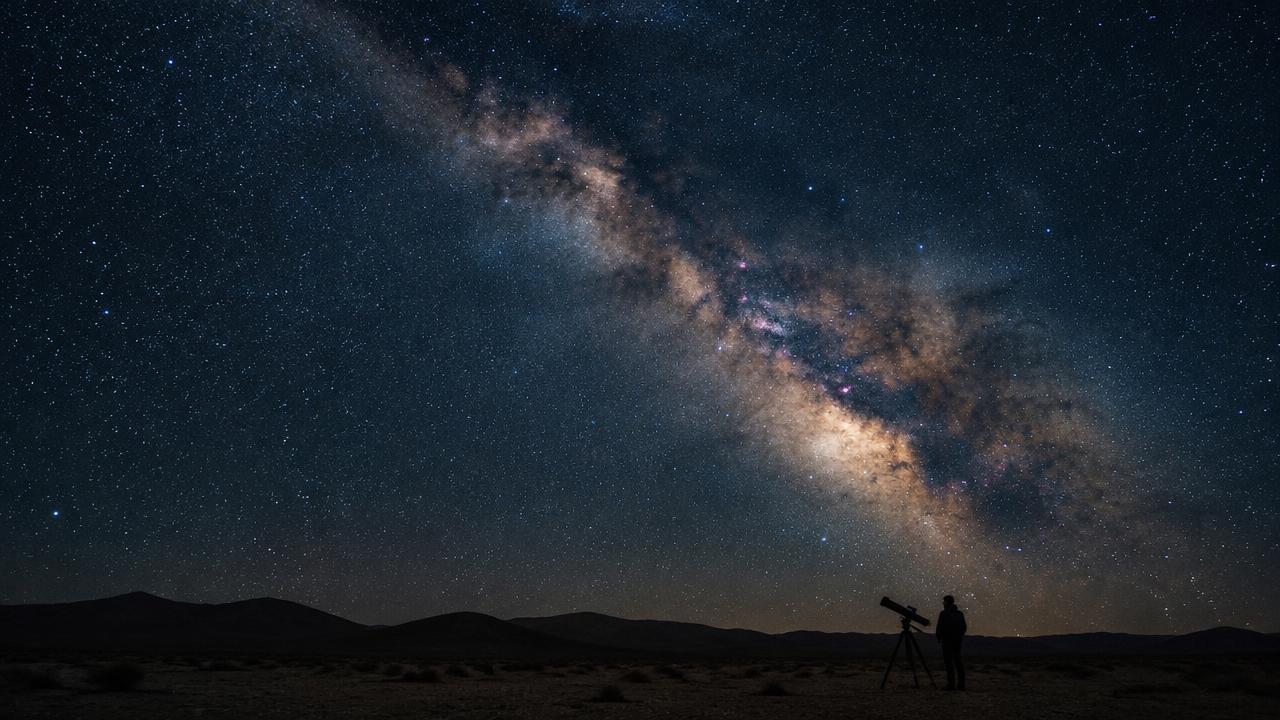
While brown dwarfs themselves are generally not visible to the naked eye, they reside in regions of the sky that are rich in other celestial wonders. If you’re interested in exploring the night sky, look towards the constellations where many brown dwarfs are found, such as Orion or Scorpius. Using binoculars or a small telescope, you can discover other stars and nebulae in these areas, enriching your stargazing experience.
What it means for your nights out
Understanding brown dwarfs and their characteristics can deepen our appreciation of the night sky. These objects represent a fascinating aspect of stellar evolution and contribute to our knowledge of how stars and planets form and behave. As you venture out to observe the stars, consider the unseen brown dwarfs lurking in the cosmos, reminding us that there is much more to the universe than what meets the eye. Each stargazing session is an opportunity to connect with the vastness of space and the mysteries that lie beyond our visual reach.
Originally reported by Universe Today. This summary was written by Dark Sky Guide.