What happened
Researchers have highlighted the significance of rare lunar meteorites in understanding the evolution of the Moon. While most meteorites originate from asteroids, lunar meteorites are crucial for filling knowledge gaps about the Moon's formation and history. Despite decades of analysis of samples collected during the Apollo missions, scientists continue to rely on these rare specimens to deepen their understanding of our planet's large satellite.
Can you see it?
Lunar meteorites themselves are not visible to the naked eye, as they are small fragments that have fallen to Earth. However, you can observe the Moon itself, which serves as the source of these meteorites. On a clear night, look for the Moon in the sky, especially during its various phases. Each phase reveals different features on its surface, which can inspire curiosity about its composition and history.
What it means for your nights out
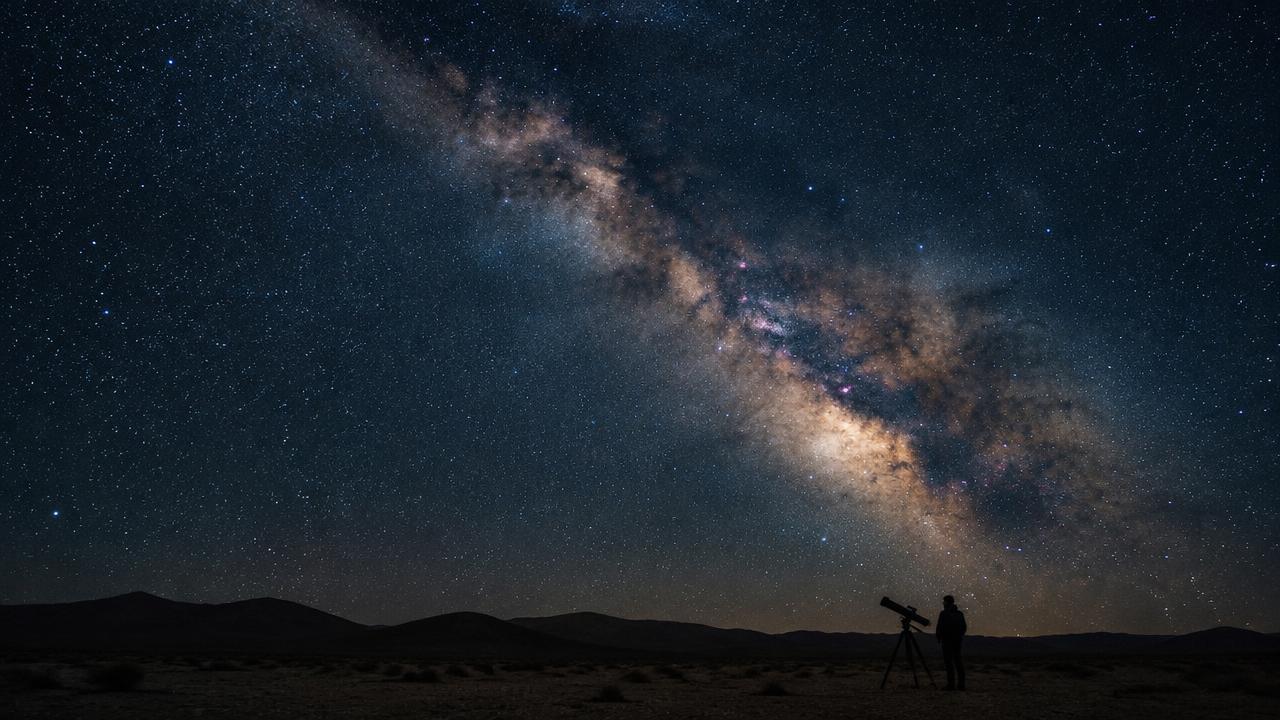
Understanding lunar meteorites can enhance your appreciation of the Moon during your stargazing outings. As you gaze at the Moon, consider the geological processes that have shaped it over billions of years. Knowing that researchers are still uncovering secrets about the Moon's evolution can make your experience more enriching. For a truly memorable night, consider bringing along a pair of binoculars or a small telescope to explore the Moon's craters and maria, connecting you to the ongoing journey of discovery regarding our celestial neighbor.
Originally reported by Universe Today. This summary was written by Dark Sky Guide.