What happened
A remarkable discovery has emerged in the realm of astronomy with the identification of the first known green star, designated WD J1330+6435. This star, distinct for its unusual color, offers insights into the processes of stellar evolution and the factors that influence a star's appearance. The discovery highlights the diversity of stellar types and colors in our universe, expanding our understanding of how stars can evolve and change over time.
Can you see it?
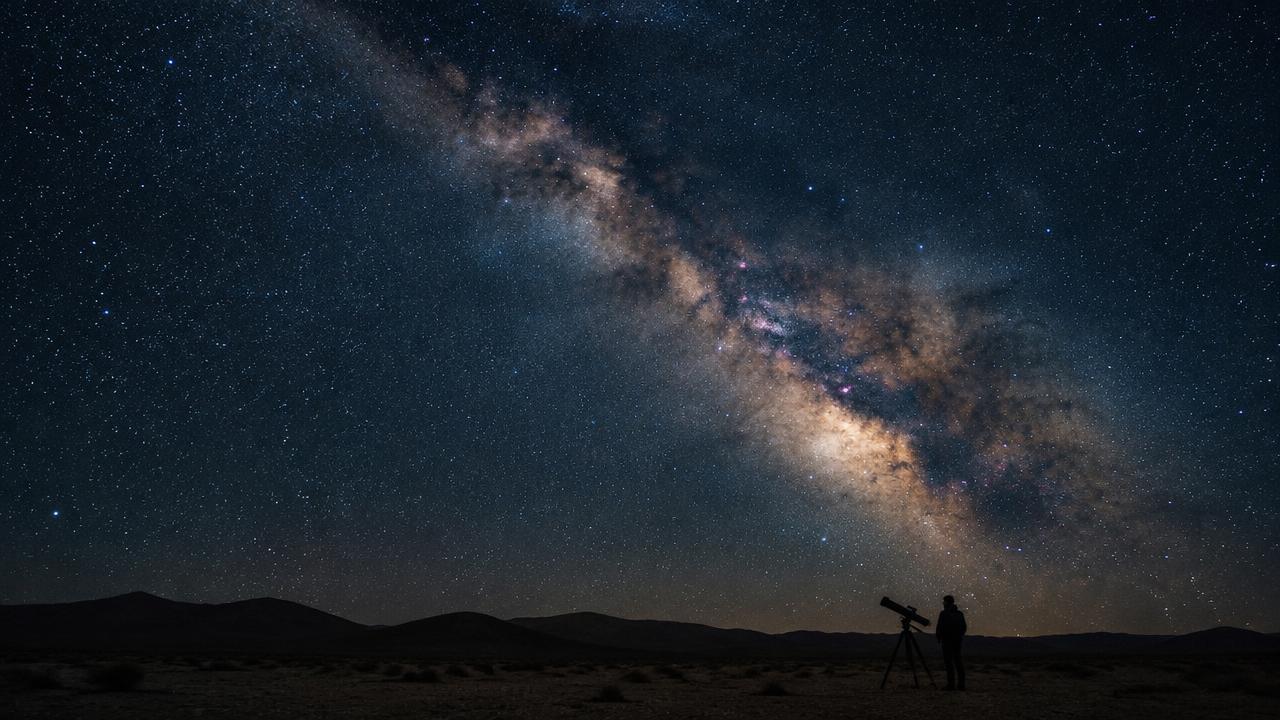
Unfortunately, WD J1330+6435 is not visible to the naked eye, nor can it be seen with standard binoculars or small telescopes due to its distance and faintness. However, if you're interested in exploring stars of different colors, you can look for nearby stars like Sirius, which is a bright white star, or Betelgeuse, known for its reddish hue. These stars can be easily spotted in the night sky and provide a fantastic way to appreciate the variety of stellar colors.
What it means for your nights out
The discovery of WD J1330+6435 emphasizes the ongoing exploration of the cosmos and how even the faintest stars can contribute significantly to our understanding of the universe. While you may not be able to see this green star directly, it serves as a reminder of the wonders that lie beyond our immediate view. On clear nights, take the opportunity to observe the colorful stars that are visible, and consider the vastness of the universe and the incredible phenomena occurring far beyond what we can see.
Originally reported by NASA. This summary was written by Dark Sky Guide.