What happened
Recent observations have captured stunning images of a nebula where new stars are actively forming. This cosmic environment, often described as a stellar nursery, showcases the complex and beautiful processes that lead to the birth of stars. The nebula acts as a cauldron of gas and dust, where gravitational forces pull materials together, igniting nuclear fusion and giving birth to new celestial bodies.
Can you see it?
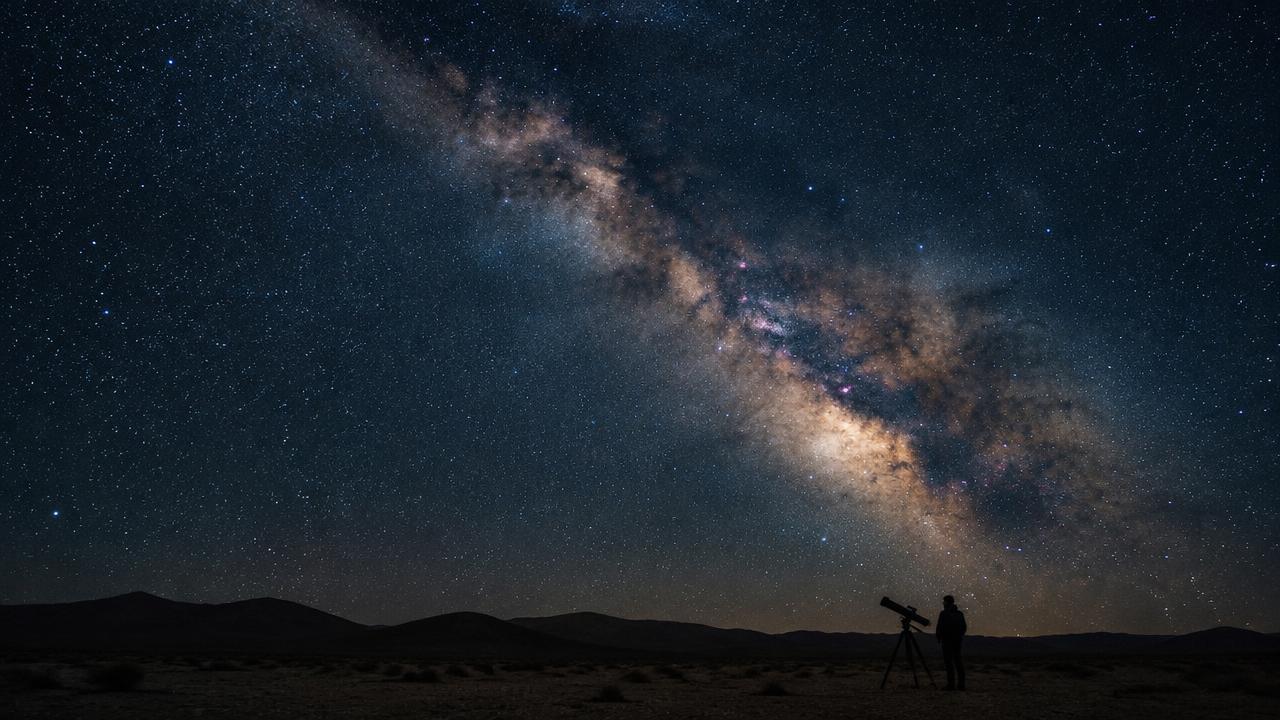
While the specific nebula may not be directly visible to the naked eye, stargazers can look for similar nebulae in the night sky. For instance, the Orion Nebula, located in the Orion constellation, is a well-known region of active star formation and can be seen with the naked eye as a fuzzy patch. A pair of binoculars or a small telescope will enhance your view, revealing more detail and possibly some of the stars being born there.
What it means for your nights out
The discovery of star formation in nebulae emphasizes the dynamic and ever-changing nature of our universe. For night sky enthusiasts, this serves as a reminder of the rich tapestry of celestial phenomena that can be observed. When planning your next stargazing outing, consider focusing on regions known for star formation, such as Orion, to catch a glimpse of the cosmic processes that have been occurring for millions of years. Exploring these areas can deepen your appreciation for the night sky and the wonders it holds.
Originally reported by ESA. This summary was written by Dark Sky Guide.