What happened
Recent research has revealed that the different flavors of neutrinos—tiny, nearly massless particles—may significantly influence the fate of dying stars. Specifically, this study indicates that the type of neutrino produced during the final stages of a massive star's life could determine whether it explodes as a supernova or collapses directly into a black hole. This discovery adds a new layer of complexity to our understanding of stellar evolution and the processes that govern the death of massive stars.
Can you see it?
While neutrinos themselves are not visible to the naked eye and require complex detectors to study, the outcomes of their interactions with stars can be observed. If you are out at night, you can look for the remnants of supernovae, such as the Crab Nebula in the constellation Taurus, which is the result of a supernova explosion that occurred in 1054 AD. You can also observe the Andromeda Galaxy, which is a neighboring galaxy that contains many stars at various stages of their life cycles, including those that may end in supernovae or black holes.
What it means for your nights out
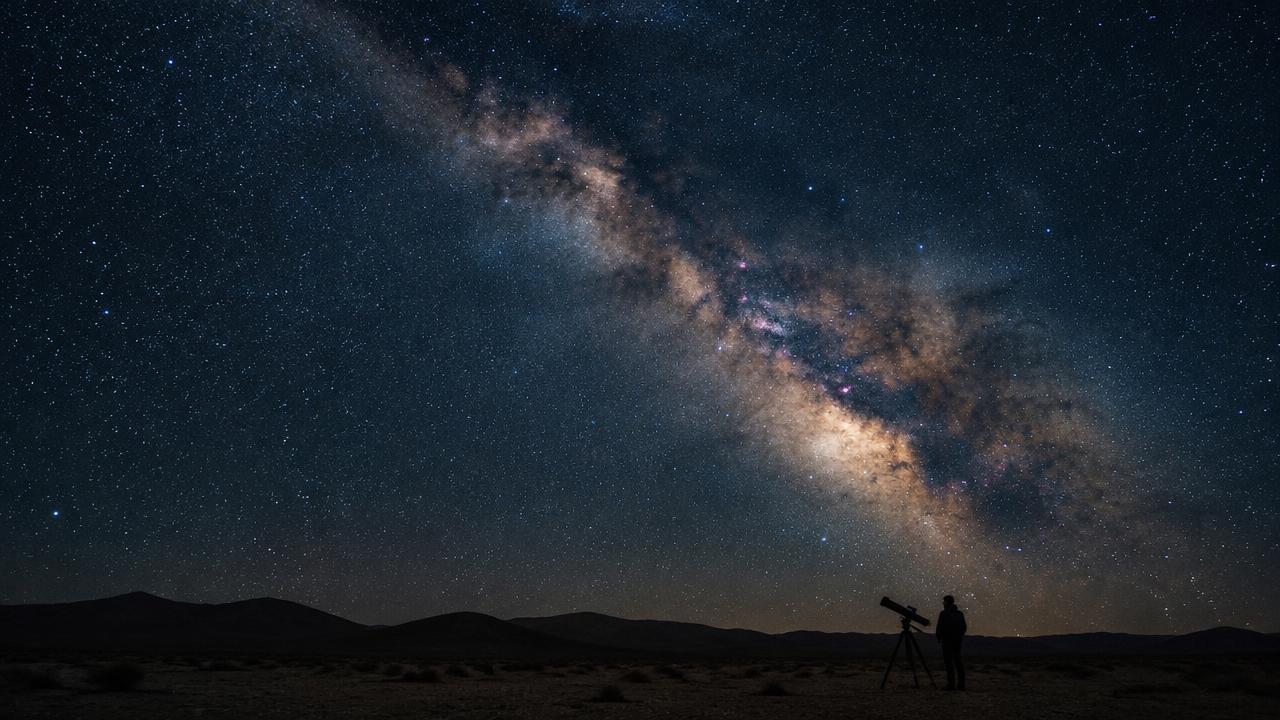
Understanding neutrino flavors and their impact on stellar deaths enhances our knowledge of cosmic events that shape the night sky. As you gaze at the stars, you are witnessing the life cycles of these celestial bodies, some of which may end in spectacular explosions or mysterious collapses. This deepens the connection between what you see and the underlying physics of the universe. So, the next time you stargaze, remember that many of those twinkling lights are part of a grand cosmic drama, influenced by forces we are just beginning to understand.
Originally reported by Universe Today. This summary was written by Dark Sky Guide.