What happened
Comet Halley, one of the most well-known comets, is the origin of two prominent meteor showers: the Orionids in October and the Eta Aquariids in May. This comet has a long orbital period, returning to the inner solar system approximately every 76 years, with its next appearance expected in 2061.
Can you see it?
While Comet Halley itself is not currently visible, the meteor showers it produces are. The Orionid meteor shower typically peaks around mid-October, offering a chance to see shooting stars radiating from the Orion constellation. The Eta Aquariids peak in early May, providing another opportunity to observe meteors, particularly for those in the southern hemisphere.
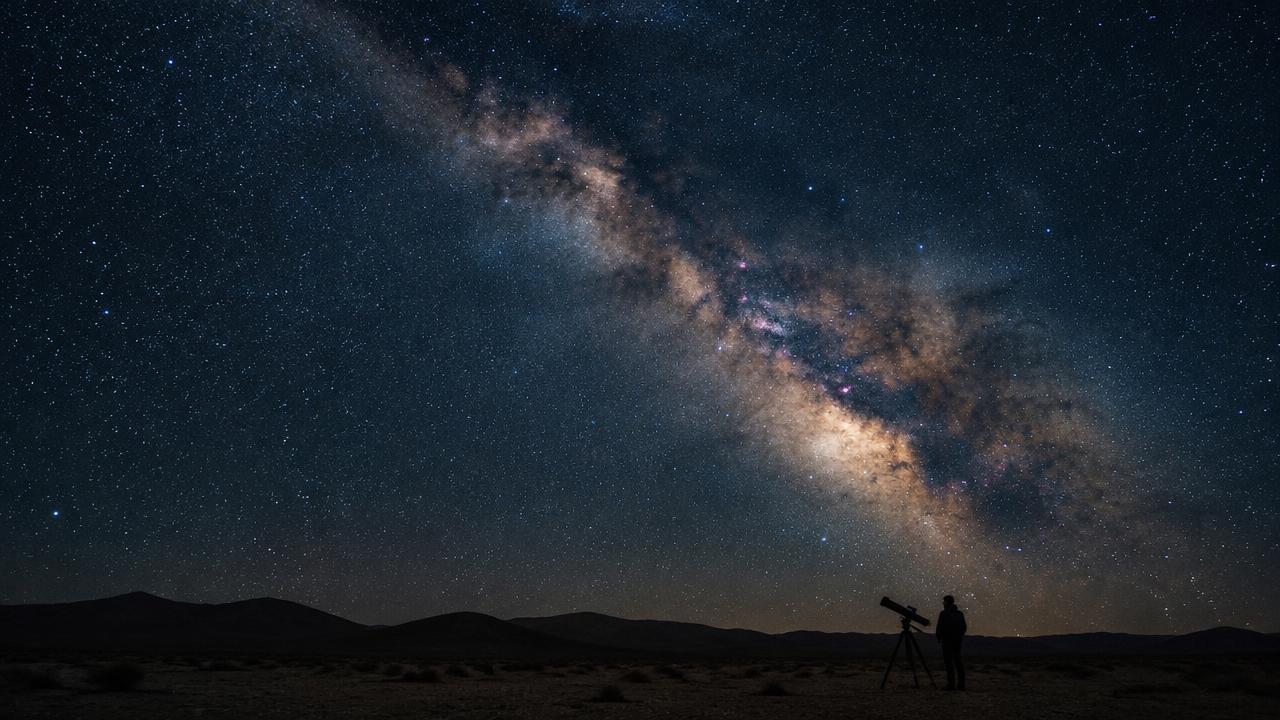
To enjoy these meteor showers, find a dark spot away from city lights on the peak nights, and look up! You don't need any special equipment; just your eyes will do.
What it means for your nights out
Both the Orionid and Eta Aquariid meteor showers are excellent opportunities for stargazers to witness the beauty of the night sky. They remind us of the dynamic nature of our solar system and the connections between celestial objects. Mark your calendars for October and May to catch these displays, and consider planning a night out under the stars to fully appreciate the show.
Originally reported by EarthSky. This summary was written by Dark Sky Guide.