What happened
As the moon travels around our planet, it presents us with a changing view of its illuminated half, creating what we know as moon phases. Understanding these phases can enhance your nighttime sky observations and deepen your appreciation for lunar cycles. Here are four practical tips to help you make sense of the moon's phases.
Can you see it?
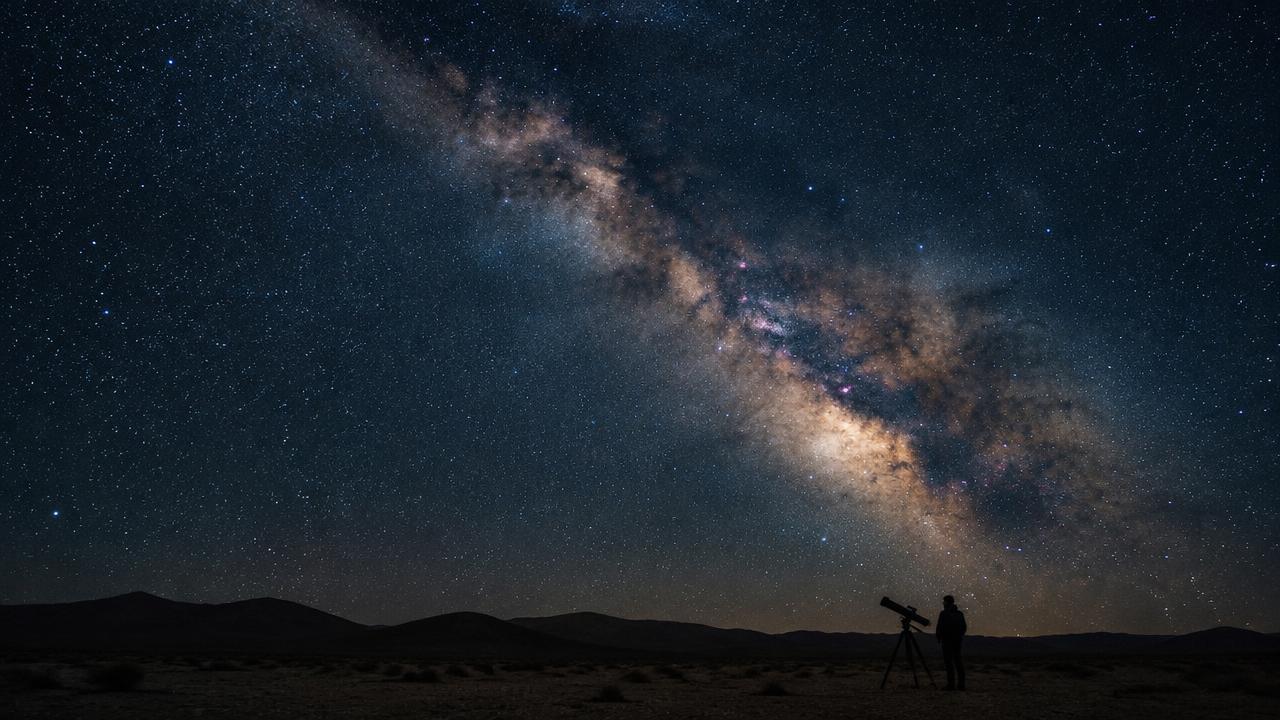
The moon phases are visible to the naked eye, making them easy to observe during your nighttime outings. You can see the full range of phases from the new moon, when the moon is not visible, to the full moon, when it is fully illuminated. The crescent and gibbous phases offer captivating views as well. Grab a pair of binoculars or a small telescope to explore the moon's surface details during these phases, especially when it's waxing and waning.
What it means for your nights out
Understanding the phases of the moon can enhance your stargazing experience. For instance, a full moon provides bright light that can wash out fainter stars and celestial objects, while a new moon offers the darkest skies, perfect for spotting constellations and deep-sky objects. Knowing when to expect each phase will help you plan your outings, whether you’re looking to enjoy a moonlit walk or a night of serious stargazing. Keep these tips in mind to make the most of your nights under the stars!
Originally reported by EarthSky. This summary was written by Dark Sky Guide.