What happened
Lacerta, a small and relatively dim constellation in the autumn sky, is home to an interesting astronomical feature known as a blazar. Blazars are active galactic nuclei that emit powerful jets of energy directed toward Earth. This characteristic makes them some of the most studied objects in the universe, as they provide insights into the mechanics of black holes and the nature of cosmic rays.
Can you see it?
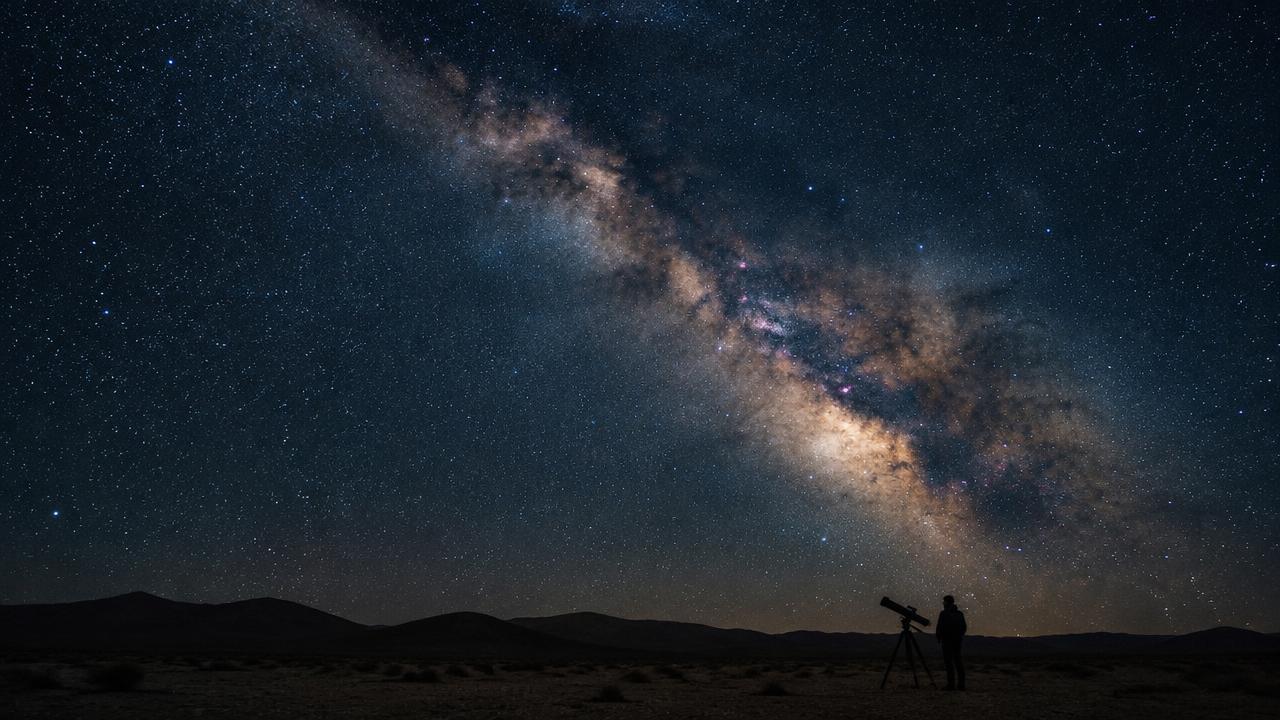
Lacerta is not one of the brightest constellations, making it a bit challenging to spot without a clear dark sky. The main stars of Lacerta are faint and may not be visible to the naked eye from light-polluted areas. However, if you have binoculars or a small telescope, you can better appreciate its stars and perhaps catch a glimpse of the blazar's position in the sky, although the blazar itself is not visible without advanced equipment.
To locate Lacerta, look towards the northern part of the sky during autumn evenings. It lies near the constellation Cygnus, which is easier to recognize due to its bright stars.
What it means for your nights out
While you may not see the blazar directly, Lacerta's presence in the sky offers an opportunity to explore deeper astronomical concepts and appreciate the vastness of the universe. Stargazing in this area can lead to discussions about active galaxies and the dynamics of cosmic phenomena. Consider bringing a telescope to a dark-sky location, where you can enjoy the beauty of the stars and engage in some cosmic contemplation, even if you can't see the blazar itself.
Originally reported by EarthSky. This summary was written by Dark Sky Guide.