What happened
Astronomers have made an intriguing discovery of a white dwarf star encircled by a debris disk featuring two distinct rings. This finding provides a potential insight into the fate of our own solar system, particularly how it may evolve after the sun exhausts its nuclear fuel and transitions into a white dwarf.
Can you see it?
Unfortunately, this white dwarf and its debris disk are not visible to the naked eye. Observing such distant objects typically requires powerful telescopes equipped with specialized instruments. However, for those interested in the broader context of our universe, the constellation in which this white dwarf resides may offer some visible stars, which can be appreciated with the naked eye or binoculars. Stargazers can also look for other celestial features or constellations nearby.
What it means for your nights out
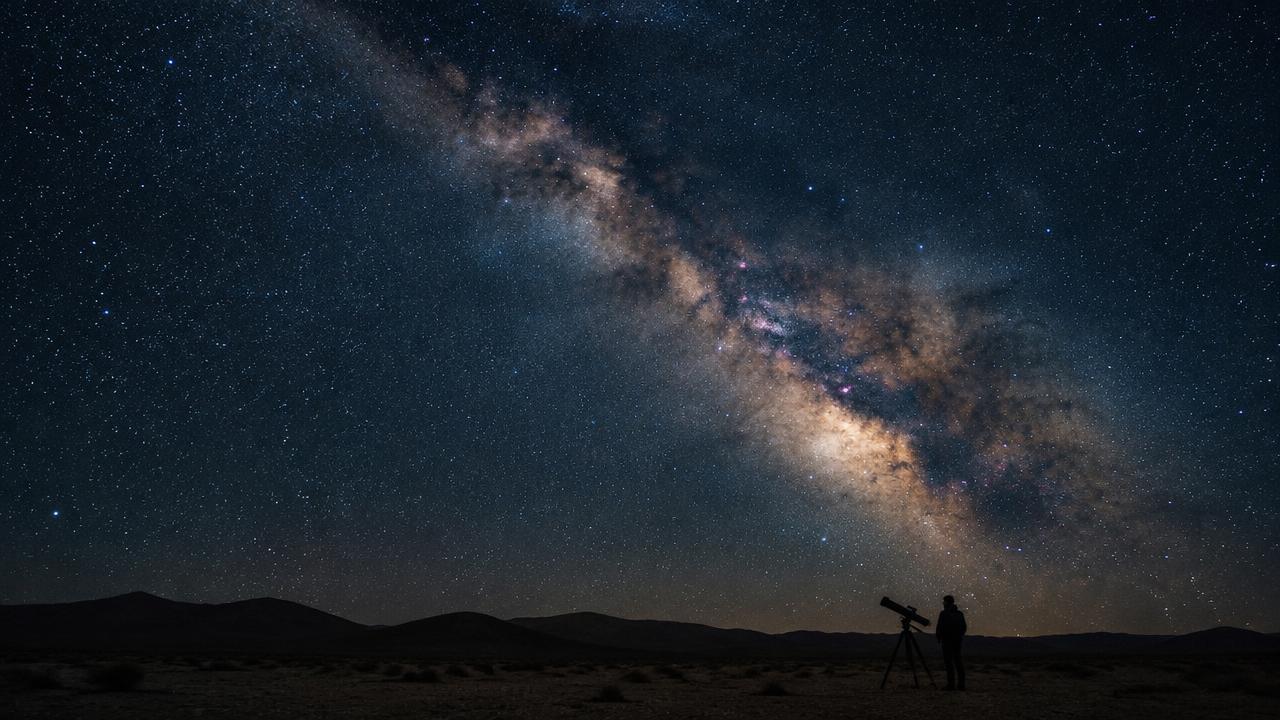
Understanding the life cycle of stars, particularly the transition from a main-sequence star like our sun to a white dwarf, can enrich your stargazing experience. While you may not see the white dwarf directly, reflecting on its implications can deepen your appreciation for the cosmos. When you look up at the night sky, consider how the stars you see today may eventually follow a similar path. This knowledge can inspire you to seek out dark-sky locations for clearer views of the stars and constellations, enhancing your connection to the universe.
Originally reported by EarthSky. This summary was written by Dark Sky Guide.