What happened
The Astronomy Picture of the Day (APOD) recently showcased a stunning image of the Moon, emphasizing its diverse colors. This visual exploration reveals how different lighting conditions and surface compositions can affect the way we perceive the Moon's surface. Such images not only highlight the beauty of our natural satellite but also contribute to our understanding of lunar geology and the processes that shape its appearance.
Can you see it?
Yes, the Moon is easily visible to the naked eye and can be observed in various phases throughout the month. On clear nights, you can enjoy its bright surface, and with the help of binoculars or a small telescope, you can see even more detail, such as craters and maria (the dark, flat areas). The colors described in the APOD can be appreciated in photographs, but with the naked eye, the Moon itself appears in shades of gray, white, and occasionally hints of yellow or orange during moonrise or moonset.
What it means for your nights out
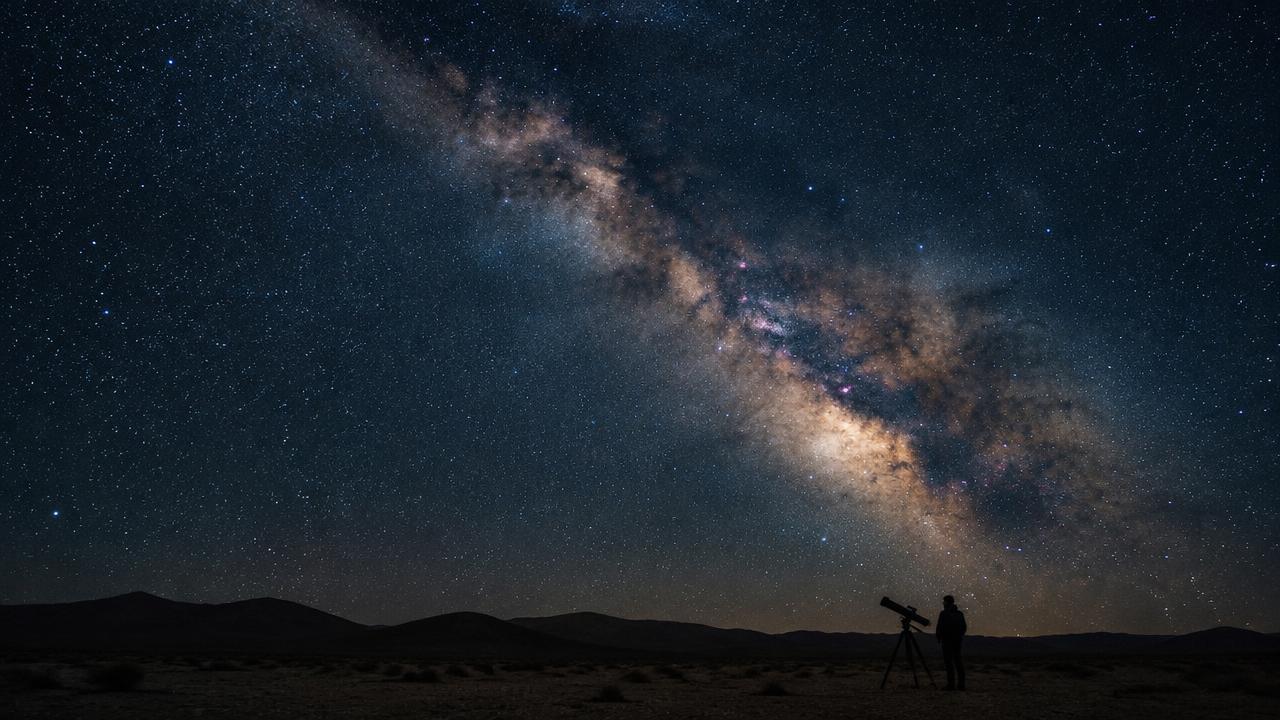
This recent highlight from APOD serves as a reminder of the beauty that awaits those who venture out at night to observe the Moon. Whether you're planning a night of stargazing or simply enjoying a quiet evening outside, take a moment to look up at the Moon. Consider bringing along binoculars to enhance your experience and discover the intricate details of its surface. Additionally, understanding the Moon's colors can deepen your appreciation for its role in our night sky, making each glance a little more special.
Originally reported by NASA. This summary was written by Dark Sky Guide.