What happened
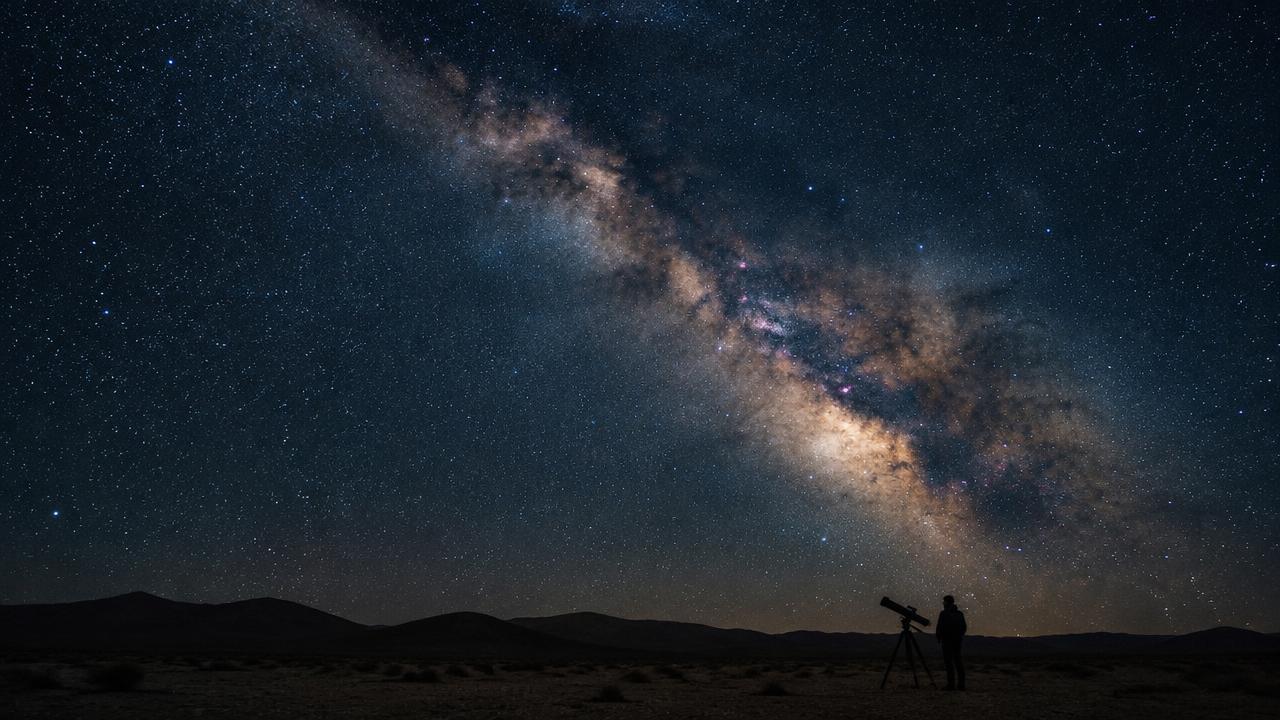
A recent edition of the Astronomy Picture of the Day (APOD) featured an intriguing image showcasing the night sky on a distant, spooky planet. This captivating visual not only highlights the beauty of the cosmos but also serves as a reminder of the diverse environments that exist beyond our own world. The image invites viewers to consider what the night might look like on other planets, sparking curiosity about the universe's vastness and the potential for life elsewhere.
Can you see it?
While the specific planet featured in the APOD is not visible to the naked eye or through standard telescopes, the concept it presents can inspire your own stargazing adventures. On clear nights, look towards the constellations that are prominent in your area—such as Orion or the Big Dipper. With the right conditions, you can also see planets like Jupiter and Saturn, which offer their own kind of nighttime wonder. Binoculars or a small telescope can enhance your experience, allowing you to glimpse the moons of Jupiter or the rings of Saturn, giving you a taste of the mysteries that lie beyond our atmosphere.
What it means for your nights out
This APOD serves as a reminder of the beauty and diversity of the cosmos, encouraging stargazers to explore the night sky with a sense of adventure and imagination. Whether you're out in your backyard or at a dark-sky site, take a moment to appreciate the stars and consider the countless worlds that could be out there. Each night offers a new opportunity to connect with the universe, so grab a blanket, settle in, and let the night sky inspire your own cosmic journey.
Originally reported by NASA. This summary was written by Dark Sky Guide.