What happened
NASA's James Webb Space Telescope has unveiled a stunning mid-infrared image of the Cat's Head Nebula, a unique structure located within the larger Carina Nebula. This remarkable view, released on October 29, 2026, highlights the intricate formations that give the nebula its distinctive shape, resembling a cat's head. Over time, these features have been sculpted by powerful ultraviolet radiation and strong stellar winds from nearby massive stars.
Can you see it?
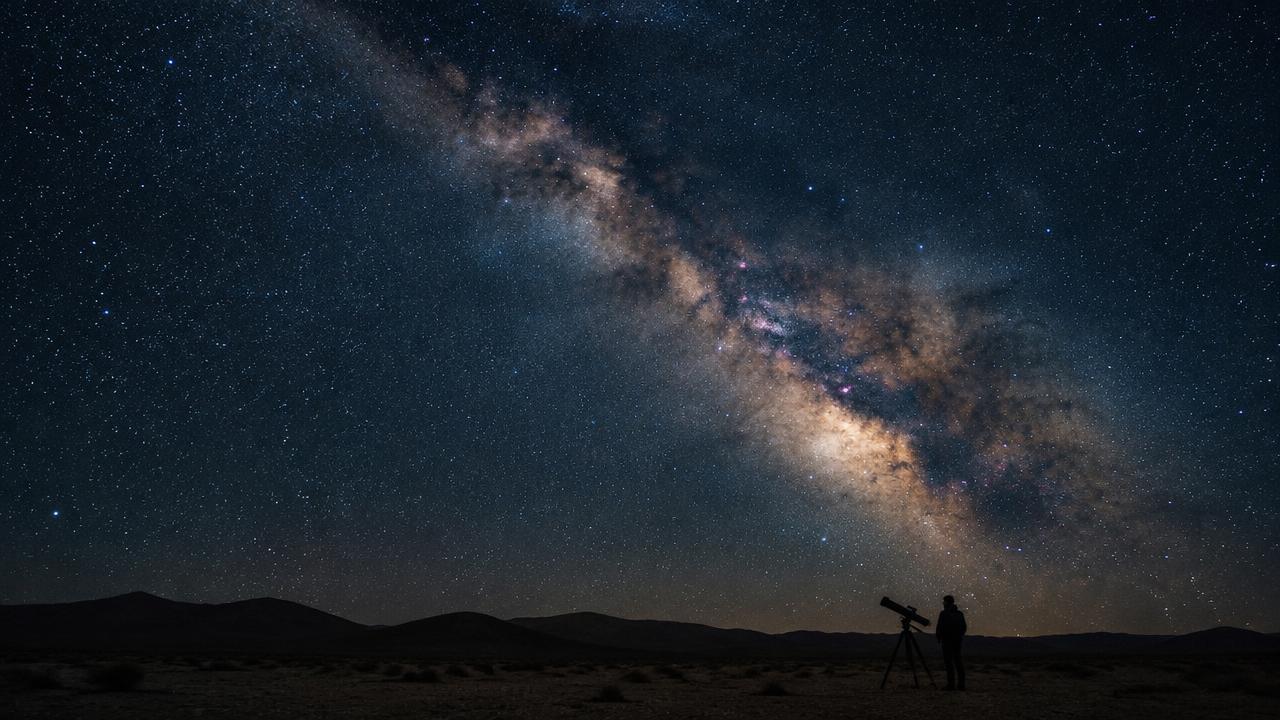
The Cat's Head Nebula itself is not visible to the naked eye, and observing it requires advanced equipment like the James Webb Space Telescope. However, for casual stargazers, the Carina Nebula is located in the southern sky and can be seen with binoculars or a small telescope. This region is rich in star formation and offers a glimpse into the processes shaping our universe, making it a worthwhile target for your night sky explorations.
What it means for your nights out
The imaging of the Cat's Head Nebula by the James Webb Space Telescope provides a deeper understanding of stellar evolution and the dynamic processes occurring in nebulae. While you may not see the Cat's Head itself, observing the Carina Nebula can remind you of the cosmic activity sculpting our night sky. When planning your stargazing outings, consider visiting areas with minimal light pollution to enhance your view of this spectacular region, where massive stars are born and evolve.
Originally reported by NASA. This summary was written by Dark Sky Guide.