What happened
Recent studies have revisited data from the Viking 2 lander, which touched down on Mars in 1976. Analysts now believe that this historic mission may have detected two potential marsquakes. These findings are particularly intriguing as they coincide with a later discovery by the InSight lander, which recorded nearly 1,000 marsquakes in the same region of Mars. This connection between the two missions could provide valuable insights into the seismic activity of our neighboring planet.
Can you see it?
While you won't be able to see these historical marsquake events with the naked eye, they highlight the ongoing exploration of Mars. For those interested in observing Mars itself, it is often visible in the night sky as a bright red dot. Depending on its position in its orbit, you might catch a glimpse of Mars shining brightly, especially during opposition when it is closest to Earth.
What it means for your nights out
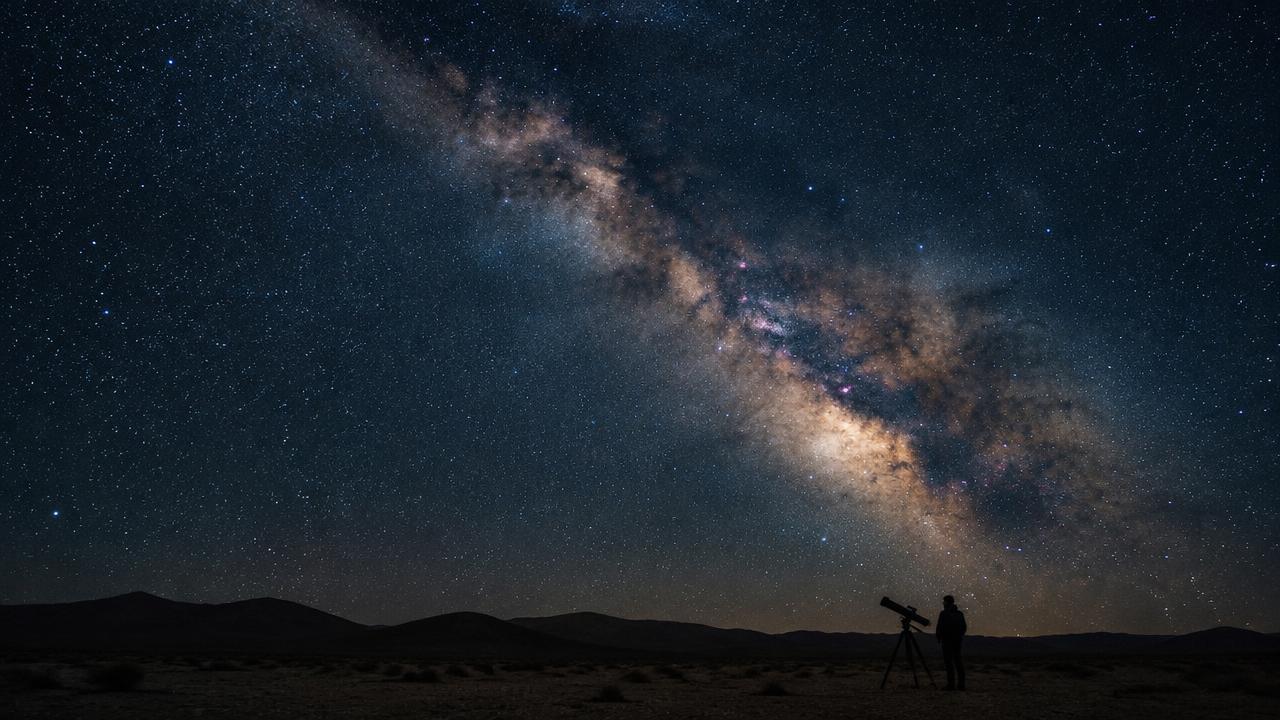
The revelations from Viking 2 remind us of the rich history of Mars exploration and the importance of continuous study. Even if we can't see the marsquakes, knowing that our celestial neighbor has seismic activity adds a layer of intrigue to any stargazing session. When observing Mars, consider its geological history and the potential for ongoing discoveries, which can make your night under the stars feel even more connected to the broader universe.
Originally reported by EarthSky. This summary was written by Dark Sky Guide.