What happened
The Vera Rubin Observatory has made significant strides in our understanding of the Milky Way by identifying two previously unknown satellite galaxies. One of these discoveries is an ultra-faint dwarf galaxy, while the other is a globular cluster. These findings are crucial as they fill in gaps in the history of the Milky Way's mergers with other galaxies, shedding light on how our galaxy has evolved over time.
Can you see it?
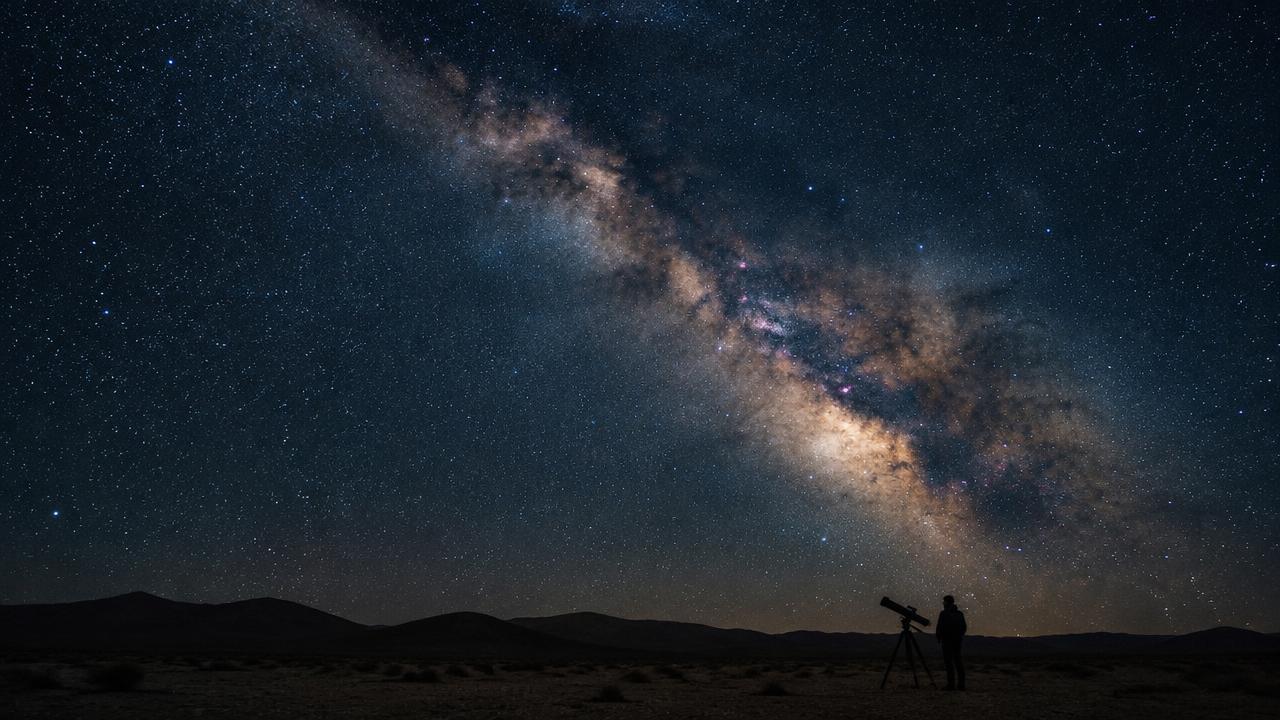
While these newly discovered satellites are faint and not visible to the naked eye, they offer a fascinating opportunity for amateur astronomers. If you're equipped with binoculars or a small telescope, you might explore the regions of the sky where these satellites are located, even if you cannot see them directly. Additionally, the Milky Way itself, with its rich tapestry of stars and clusters, is a spectacular sight on clear nights, especially when viewed from dark-sky locations.
What it means for your nights out
These discoveries enhance our appreciation for the night sky, reminding us of the vastness and complexity of our galaxy. When you gaze up at the stars, consider the countless other celestial bodies, including the dim satellites that orbit our Milky Way. Each stargazing session can be an adventure in understanding the universe, as we continue to learn about the cosmic neighborhood we inhabit. So, whether you’re out under the stars with friends or enjoying a quiet night alone, take a moment to reflect on the ongoing discoveries that enrich our experience of the night sky.
Originally reported by Universe Today. This summary was written by Dark Sky Guide.