What happened
Astronomers continue to monitor the Blaze Star, a massive and unstable star that is anticipated to erupt in a spectacular display. This eruption is expected to be a type of supernova, which could illuminate the surrounding space and offer a dramatic view for skywatchers. Recent research has introduced the idea that neutrinos—tiny, nearly massless particles created in such explosive events—could serve as an early warning system for the star's impending eruption.
Can you see it?
While the Blaze Star itself is not currently visible to the naked eye, it resides in the constellation of Monoceros, the Unicorn. For those interested in exploring this region of the sky, you can find the constellation rising in the winter months. Using binoculars or a small telescope, you might catch a glimpse of some of the nearby stars and nebulae, but the Blaze Star's phenomenon will not be visible until it finally erupts.
What it means for your nights out
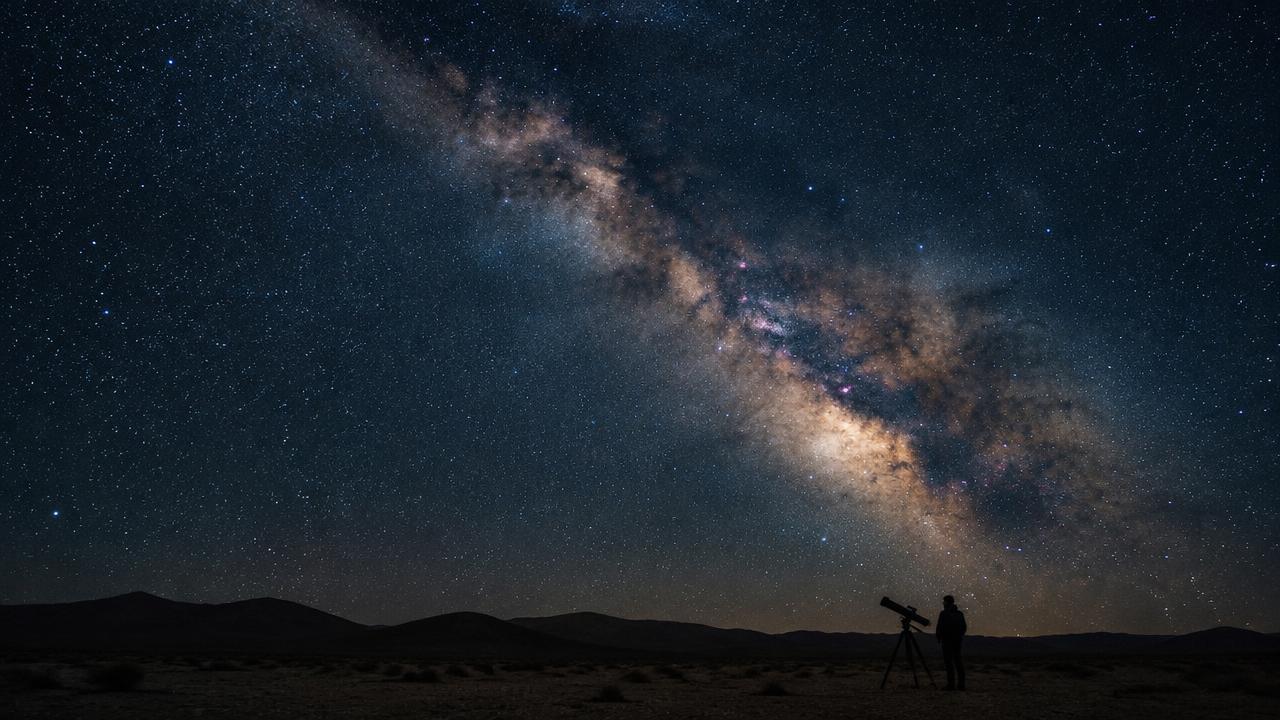
The potential eruption of the Blaze Star presents an exciting opportunity for stargazers. If neutrinos do indeed provide a warning before the event, it could allow observers to prepare for an extraordinary celestial show. Such eruptions can light up the night sky, making it a perfect moment for night outings. In the meantime, keep an eye on the constellation Monoceros and enjoy the other wonders of the night sky, like the nearby Orion constellation, which is brimming with bright stars and the famous Orion Nebula.
Originally reported by EarthSky. This summary was written by Dark Sky Guide.