What happened
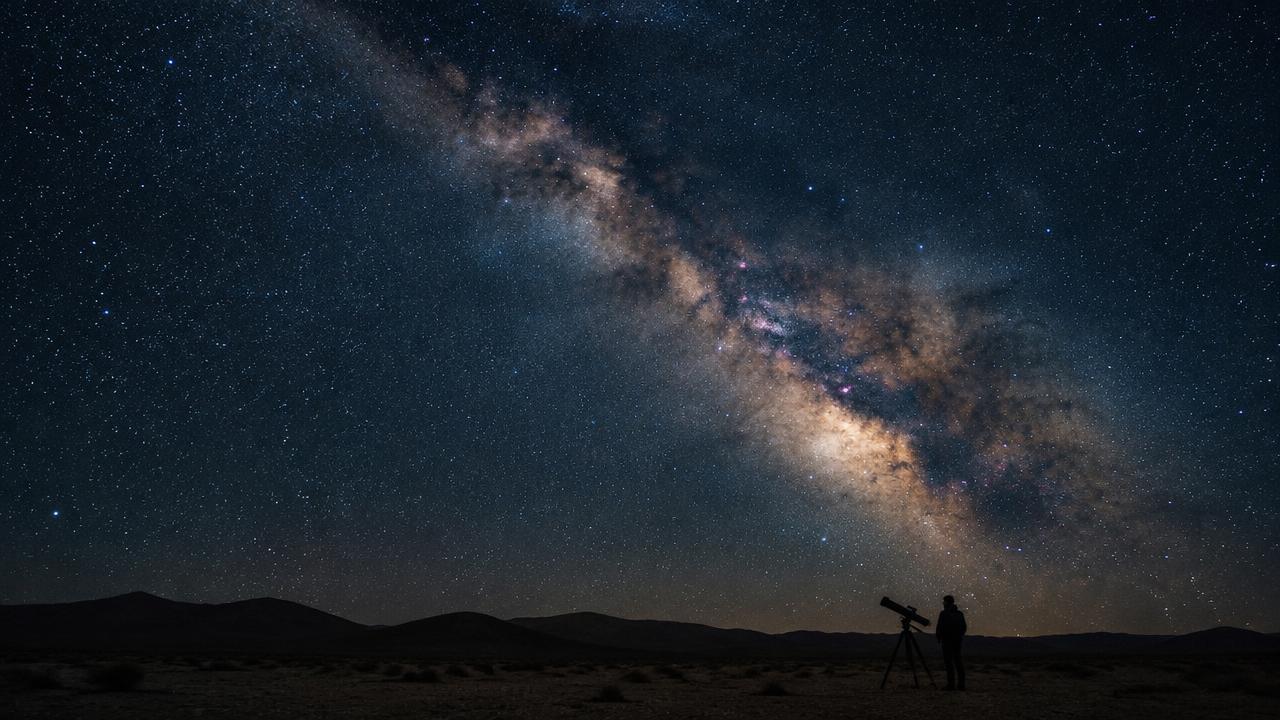
A recent Astronomy Picture of the Day (APOD) features an impressive image of Enceladus, one of Saturn's most intriguing moons, captured in silhouette. This striking visual not only showcases the moon's icy surface but also hints at the intriguing geological activity that makes Enceladus a target for astrobiological studies. Known for its geysers that spew water vapor and organic compounds into space, Enceladus is often considered a potential habitat for extraterrestrial life.
Can you see it?
While Enceladus itself is not visible to the naked eye from Earth, it orbits Saturn, which is an easily seen planet during certain times of the year. If you have a small telescope or good binoculars, you may catch a glimpse of Saturn and its ring system, and with a bit of luck, you might be able to spot some of its larger moons, although Enceladus may not be one of them. Still, observing Saturn can provide a sense of connection to the wider wonders of our solar system.
What it means for your nights out
The silhouette of Enceladus serves as a reminder of the beauty and complexity of our cosmic neighborhood. For night sky enthusiasts, this image inspires curiosity about the celestial objects we can observe. Whether you are stargazing with friends or enjoying a quiet evening under the stars, take a moment to consider the worlds beyond our own. Even though Enceladus may be out of reach, the sight of Saturn and its rings can evoke wonder and spark conversations about the potential for life elsewhere in the universe.
Originally reported by NASA. This summary was written by Dark Sky Guide.